Kitchen Conversions Chart Laser Cut
Whether you're a professional chef, a home cook, or someone who enjoys crafting kitchen tools, having accurate and accessible conversion references can streamline your workflow. The Kitchen Conversions Chart Laser Cut is a digital resource designed to provide precise measurement conversions in a format that’s easy to use and integrate into various projects. It's not just for the kitchen—it supports educational settings, small businesses, and creative ventures by offering a reliable tool for converting units like cups to grams, tablespoons to milliliters, and more.
Understanding the Kitchen Conversions Chart Laser Cut
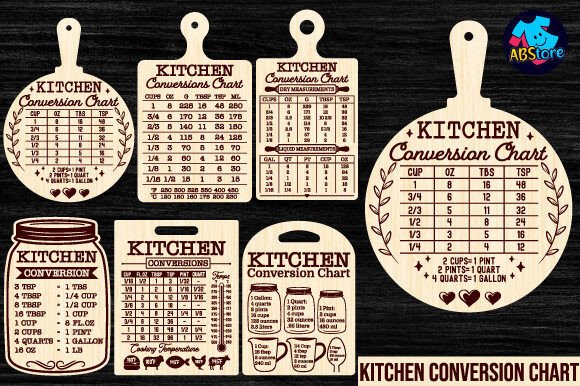
The Kitchen Conversions Chart Laser Cut is a set of precision-designed files that present essential cooking and baking measurements in an organized, visual format. These charts are laser-cut from materials such as wood, acrylic, or metal, depending on your design needs and available tools. The result is a durable, decorative, and functional reference for anyone who works with recipes or requires consistent measurements.
This chart typically includes:
- Common dry ingredient conversions (flour, sugar, rice)
- Liquid volume equivalents (cups, pints, liters)
- Temperature scales (Fahrenheit to Celsius)
- Time-based conversions (minutes to hours, etc.)
It serves as both a practical tool and a conversation starter—ideal for kitchens, classrooms, and craft displays alike.
Where It Fits in a Broader Process
Measurement accuracy is critical in many workflows, especially in culinary contexts where even minor deviations can affect the outcome of a dish. The Kitchen Conversions Chart Laser Cut fits into several stages of these processes:
Before a Project
During the planning phase of any cooking or baking project, having a clear understanding of the required ingredients is key. This chart helps users convert between different systems (metric vs. imperial) and ensures consistency across all steps. For educators preparing lesson plans on cooking techniques or food science, it offers a ready-made teaching aid that simplifies complex concepts.
During Execution
In the kitchen, quick access to accurate conversions can prevent errors and reduce time spent searching for information. If you're using a laser cutter to create custom kitchen tools or signage, this chart provides a clean, scalable design that can be integrated directly into your work. It also functions well as part of a countertop display, guiding cooks through tricky conversions without needing to refer to a phone or cookbook.
After Completion
Once the chart is created and installed, it continues to support long-term efficiency. It becomes a permanent fixture in your workspace, reducing the need for repeated recalculations and improving overall productivity. Entrepreneurs selling handmade kitchenware can include it as a value-added item in their product bundles, enhancing customer satisfaction and utility.
Integration with Other Tools and Resources
The Kitchen Conversions Chart Laser Cut doesn’t exist in isolation. It complements other resources such as recipe databases, kitchen software, and hardware like digital scales or measuring jugs. When used alongside these tools, the chart enhances usability by providing a physical reference point that aligns with digital data.
For instance, if you’re using a digital scale that only shows weight but your recipe calls for volume, the chart acts as a bridge between the two. Similarly, when working with international recipes, the ability to quickly switch between metric and imperial units makes the difference between success and confusion.
Its compatibility with file formats like SVG, EPS, PDF, and DXF means it can be adapted to different laser cutting machines and software platforms. This flexibility allows creators to tailor the chart to specific materials and sizes, ensuring it meets the unique requirements of their project.
Practical Implementation Tips
To make the most of the Kitchen Conversions Chart Laser Cut, consider the following tips during implementation:
- Material Selection: Choose a material that suits your environment. Acrylic is ideal for modern, clean looks; wood adds warmth and texture; metal offers durability and a sleek finish.
- Size and Layout: Design the chart based on where it will be used. A compact version might fit neatly on a spice rack, while a larger one could serve as a centerpiece on a kitchen island.
- Software Compatibility: Ensure your laser cutting software supports the included file types (SVG, EPS, PDF, DXF). Most popular programs do, but double-check for smooth operation.
- Mounting Options: Consider how you'll install the chart. Some prefer adhesive-backed versions for ease, while others mount them permanently for frequent use.
These considerations help maintain the chart's functionality and aesthetic appeal, making it a valuable addition to your space.
Workflow Examples
Here are a few real-world examples of how the Kitchen Conversions Chart Laser Cut can be incorporated into daily routines:
- Chef’s Workstation: Mounted near a prep area, it aids in scaling recipes and maintaining portion control.
- Home Baking Setup: Used alongside measuring cups and spoons, it reduces guesswork and improves recipe consistency.
- Classroom Demonstration: As part of a cooking class, it visually reinforces learning and supports hands-on activities.
- Small Business Product Line: Included in kits for aspiring bakers or DIY enthusiasts, it adds value and encourages repeat purchases.
Each scenario highlights the chart’s versatility and its role in enhancing both personal and professional environments.
Preparation and Organization
Before diving into the laser cutting process, preparation is crucial. Download the ZIP file containing the SVG, EPS, PDF, and DXF formats. Use a file extraction tool like WinZIP or WinRAR to open the archive. From there, select the appropriate file type for your laser cutter software. Double-check the dimensions and adjust them if needed to match your workspace or project specifications.
Organizing your workspace before cutting ensures smooth execution. Lay out your materials, calibrate your machine, and verify that the design aligns with your expectations. Taking these steps upfront saves time and prevents costly mistakes later.
Efficiency and Consistency
One of the standout benefits of the Kitchen Conversions Chart Laser Cut is its contribution to efficiency. Instead of manually calculating each conversion, users can glance at the chart and find the right values instantly. This speeds up meal prep, reduces waste, and fosters confidence in the kitchen.
Consistency is another key factor. Whether you're running a catering business or managing a home menu plan, having a fixed reference point helps maintain uniformity in measurements. Over time, this leads to better outcomes, fewer errors, and a smoother workflow.
Quality Control and Long-Term Use
Ensuring high-quality output starts with selecting the right laser cutting service or machine. Test a small section of the design first to confirm that the cuts are clean and the text is legible. Adjust the power and speed settings if necessary before proceeding with the full piece.
For long-term use, choose a material that resists wear and tear. Acrylic and metal tend to last longer in high-traffic areas, while wood may require occasional maintenance. Mounting the chart securely and keeping it away from direct heat or moisture extends its lifespan and maintains its effectiveness.
Resale and Sharing Restrictions
It’s important to note that the Kitchen Conversions Chart Laser Cut is a digital download intended for individual use. The files provided (including SVG, EPS, PDF, and DXF) are intellectual property and cannot be shared or resold. This protects the creator’s rights and ensures that the content remains exclusive to those who have made a legitimate purchase.
If you're interested in using the chart commercially, reach out to the seller to discuss licensing options. Unauthorized redistribution not only violates terms of use but also undermines the effort and creativity behind the design.
Adapting the Chart to Your Needs
While the standard version of the Kitchen Conversions Chart Laser Cut covers common conversions, customization options allow users to adapt it further. You can add specific units relevant to your niche, such as teaspoons to grams for spices or ounces to milliliters for liquids. This makes the chart more personalized and effective for your particular use case.
Customization also opens the door for branding opportunities. Small business owners can incorporate logos or color schemes to match their identity, turning the chart into a branded asset that customers appreciate and recognize.
Conclusion: A Tool That Enhances Every Step
The Kitchen Conversions Chart Laser Cut is more than just a reference—it’s a strategic tool that enhances planning, execution, and long-term efficiency in the kitchen and beyond. By integrating it into your workflow, you simplify complex tasks, improve accuracy, and elevate your space with a touch of craftsmanship.
With its compatibility across platforms and formats, plus the ability to customize and brand, it’s a smart investment for professionals and hobbyists alike. Just remember to extract the files correctly using tools like WinZIP or WinRAR, and keep the digital assets private to respect the creator’s work.
Whether you're refining your culinary skills or launching a new product line, the Kitchen Conversions Chart Laser Cut offers a seamless way to stay organized and efficient. Its thoughtful design and practical application make it a must-have for anyone serious about their kitchen—or their craft.