Seamless Basic Concrete Textures, 4K
In the world of digital design and physical fabrication, surface realism is everything. Whether you are rendering a photorealistic interior for an architectural firm or creating a rustic aesthetic for a brand’s social media campaign, the texture of your materials speaks volumes. This is where Seamless Basic Concrete Textures, 4K becomes an indispensable asset. These high-resolution images are not merely decorative; they are foundational tools that bridge the gap between flat digital files and tangible, three-dimensional reality.
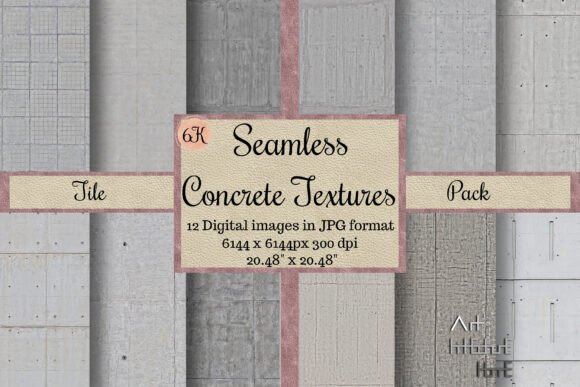
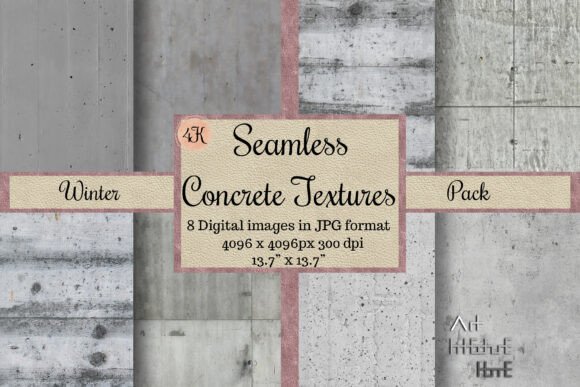
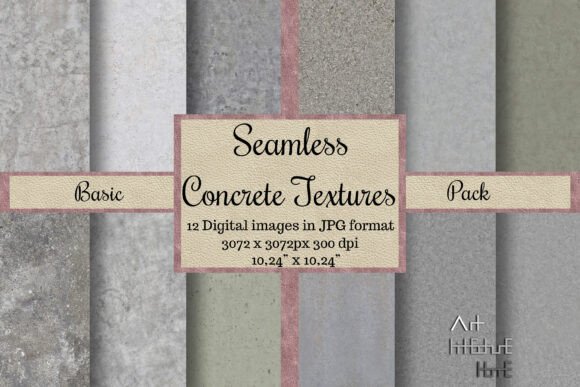
The collection described here offers a curated selection of twelve distinct concrete patterns, ranging from cracked surfaces to smooth stone-like finishes. But what truly sets this pack apart is its technical precision and versatility. Designed with professionals in mind, these textures provide the granularity and depth required for large-scale prints, intricate vinyl decals, and complex 3D modeling projects without the common pitfalls of pixelation or visible tiling.
Technical Specifications That Matter
Before diving into applications, it is crucial to understand the engineering behind these digital assets. In professional workflows, resolution and scale are non-negotiable. A texture that looks sharp on a smartphone screen may fall apart when blown up to poster size. The Seamless Basic Concrete Textures, 4K pack addresses this by providing files that measure 10.24 x 10.24 inches (approximately 26 x 26 cm) at a robust 300 DPI resolution.
This translates to a pixel dimension of 3072 x 3072 pixels per tile. For context, 300 DPI is the industry standard for high-quality printing. When designers apply these textures to their projects, they ensure that every pore, crack, and subtle variation in the concrete is rendered with clarity. The seamless nature of the format means that the edges align perfectly, allowing users to repeat the pattern indefinitely across walls, floors, or backgrounds without seeing harsh grid lines or interruptions. This capability is vital for maintaining visual continuity in both digital environments and physical installations.
Real-World Applications Across Industries
The utility of these concrete textures extends far beyond simple background images. Their neutral, industrial aesthetic makes them compatible with a wide array of creative disciplines. Here is how different professionals leverage these resources:
- Architectural Visualization: Architects and interior designers use these textures to clad virtual walls and floors. By applying the seamless concrete patterns to 3D models, they can create convincing renderings of lofts, warehouses, and modern homes. The ability to seamlessly tile the texture ensures that large surfaces look natural and uninterrupted.
- Graphic Design & Branding: For marketers and branding agencies, concrete textures evoke feelings of stability, modernity, and raw authenticity. They are perfect for creating headers for websites, packaging designs for artisanal products, or promotional materials that need a tactile feel. The neutral shades allow text and logos to pop while providing a sophisticated backdrop.
- Physical Fabrication & Crafts: Hobbyists and small business owners using cut machines like Cricut or Silhouette find immense value in these files. Because the resolution is high enough for detailed cutting, these textures can be printed onto vinyl for decals, stickers, or wall murals. The cracked and stone patterns add character to DIY wedding props, miniature house decorations, and scrapbooking projects.
- Textile & Surface Design: Print-on-demand entrepreneurs utilize these seamless patterns for fabric printing. Whether designing apparel with an urban edge or creating home decor items like throw pillows and curtains, the 300 DPI quality ensures that the print retains its detail after being scaled to fit various product dimensions.
Why Choose Seamless Formats?
You might wonder why a "seamless" format is preferred over a single, static image. The answer lies in scalability and efficiency. In digital environments, such as video games or VR experiences, artists need to cover vast areas without consuming excessive memory. A seamless tile can be repeated infinitely, covering a massive floor with minimal data overhead. Similarly, in web design, using a seamless background image reduces file load times compared to downloading a massive, non-repeating photograph, improving user experience and site performance.
For physical creators, the seamless aspect simplifies the workflow. Instead of manually trying to match edges—a tedious and often imperfect process—designers can simply drag and drop the texture to fill a space. This is particularly useful for scrapbookers who want to create custom paper designs or for decoupage enthusiasts working on larger objects like furniture or boxes.
Evaluating Quality and Usability
When selecting digital textures, not all packs are created equal. The Seamless Basic Concrete Textures, 4K collection stands out due to its focus on realistic imperfections. Real concrete is rarely uniform; it features micro-cracks, weathering, and variations in tone. This pack includes cracked surfaces and stone patterns that mimic these natural irregularities, adding depth and avoiding the "plastic" look associated with low-quality stock photos.
Furthermore, the inclusion of twelve unique variations provides ample choice. You are not limited to one gray shade but can mix and match different levels of distress and texture to suit specific moods. For instance, a smoother stone pattern might work best for a sleek corporate website, while a heavily cracked surface could enhance the rugged appeal of a rock band’s merchandise or a vintage-style invitation card.
Practical Tips for Implementation
To get the most out of these digital assets, consider the following best practices:
- Check Your Output Device: Always preview your texture at 100% zoom before finalizing large prints. While 300 DPI is excellent, some printers may require specific color profiles (CMYK vs. RGB). Ensure your software settings match your printing requirements to avoid color shifts.
- Layering Techniques: In graphic design software, try overlaying the concrete texture with other elements using blending modes like "Multiply" or "Overlay." This can integrate the texture more naturally with underlying colors, creating a more cohesive and professional look.
- Scale Appropriately: Even with high resolution, extreme scaling can introduce artifacts. If you need a texture for a billboard-sized print, verify that the source file allows for sufficient upscaling without losing definition. The 3072-pixel width is ideal for medium-to-large formats but may need to be tiled multiple times for extremely large installations.
- Combine with Lighting: In 3D projects, the texture alone is only half the equation. Pay attention to bump maps and normal maps derived from these textures to simulate light interaction. Proper lighting will make the cracks and pores cast realistic shadows, dramatically enhancing the sense of realism.
Conclusion
The Seamless Basic Concrete Textures, 4K pack is more than just a bundle of images; it is a versatile toolkit for anyone serious about visual communication. From enhancing the credibility of architectural renders to adding tactile depth to physical crafts, these textures offer a reliable solution for achieving professional-grade results. By prioritizing high resolution, seamless tiling, and realistic detailing, this collection empowers creators to bring their visions to life with elegance and precision. Whether you are designing a digital interface, printing a batch of custom stickers, or building a virtual world, these concrete textures provide the solid foundation your projects deserve.