3D Mandala Laser Cutting SV – A Guide to Choosing and Using the Right Design Files
If you're looking for a unique and artistic addition to your next project, 3D Mandala Laser Cutting SV could be the perfect solution. These intricate designs combine the beauty of mandalas with laser-cutting technology, offering a stunning visual impact that can elevate everything from wedding decorations to home interiors. Whether you're an entrepreneur, a hobbyist, or simply someone who loves creative design, understanding how to choose and use these files is essential for achieving professional results.
What Is 3D Mandala Laser Cutting?
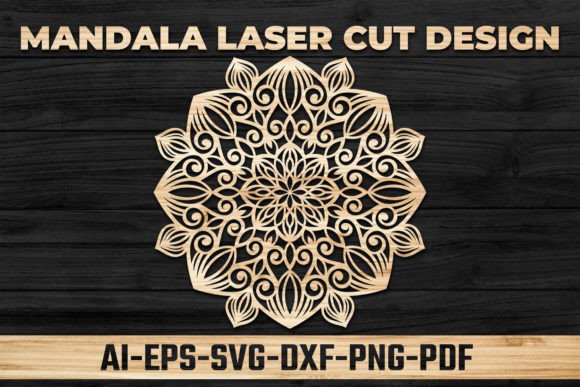
A 3D mandala is a geometric pattern inspired by traditional mandalas but enhanced with depth and dimensionality. When used in laser cutting, these designs are transformed into physical pieces using precision tools like CO2 lasers. The term "SV" likely refers to the source vector format, which ensures scalability and sharp detail at any size.
The process involves taking a digital design file—such as SVG, DXF, PDF, EPS, or AI—and feeding it into a laser cutter machine. The laser then follows the path defined in the file to cut the material, whether it's wood, acrylic, metal, or paper. This method allows for highly detailed and consistent results, making it ideal for projects where accuracy and aesthetics matter.
Why Choose 3D Mandala Laser Cutting for Your Projects?
There are several reasons why professionals and DIY enthusiasts alike are turning to 3D mandala laser cutting:
- Customization: With multiple formats available (like SVG, DXF, PDF, AI, EPS, and PNG), you can easily modify the design to suit your needs.
- High Quality: Laser-cut designs offer clean edges and precise details, especially when working with complex patterns such as arabesque or ornamental mandalas.
- Versatility: These mandalas can be used in various industries—from event planning and home décor to fashion and product packaging.
- Time Efficiency: Once you have the right template, laser cutting is much faster than manual carving or engraving.
Common Mistakes to Avoid When Working with 3D Mandala Laser Cutting Files
While 3D mandala laser cutting offers incredible potential, there are some common pitfalls that users often overlook. Here’s what you need to know before diving in:
1. Ignoring File Format Compatibility
One of the biggest mistakes people make is not checking if their software supports the file format they've downloaded. For example, if you're using Adobe Illustrator and only have a PDF file, you might struggle to edit it properly. Always confirm that your design software works with the included formats: AI, SVG, PNG (transparent background), PDF, DXF, EPS.
Better approach: Before purchasing or downloading any design, cross-reference the supported formats with your own workflow. If you're unsure, look for providers that offer multiple compatible options or include conversion guidance.
2. Not Testing the Design on Sample Material
Even with the best digital file, the final outcome depends heavily on the material you're using. Acrylic will behave differently from wood, and both require different laser settings. Failing to test the design on a small sample first can lead to wasted time and materials.
Better approach: Always do a trial run. Print or cut a small portion of the mandala to see how the laser interacts with the material. Adjust speed, power, and focus accordingly to avoid burn marks or incomplete cuts.
3. Overlooking the Importance of Proper Scaling
Because these files are scalable, it’s easy to assume that any size will work perfectly. However, scaling too large without adjusting the thickness of lines or elements can result in weak structural points or overcutting.
Better approach: Use vector-based software like Adobe Illustrator or Inkscape to scale the design while maintaining stroke weights and layer integrity. Always double-check the dimensions against your project requirements.
4. Misusing PNG Files for Cutting
Some users mistakenly try to use PNG files for laser cutting because they’re familiar with them. While PNGs are great for viewing images and using as templates for engraving, they lack the vector paths needed for accurate cutting. This can lead to misaligned or incomplete cuts.
Better approach: Use SVG, DXF, or AI files for actual laser cutting tasks. Reserve PNG files for background visuals or presentation purposes where precision isn’t required.
What to Check Before Buying or Downloading 3D Mandala Laser Cutting Files
To ensure you get the most out of your purchase or download, consider the following factors before committing:
- Resolution and Detail: Look for high-resolution files that maintain clarity even when scaled up. Poorly optimized vectors can lose quality or become difficult to manage in software.
- Layer Structure: A well-organized file with layers (especially in AI or EPS formats) makes it easier to adjust individual components of the mandala. This is particularly important for multi-layered 3D effects.
- License Terms: Confirm whether the design is for personal or commercial use. Some files come with restrictions that may affect your ability to resell or mass-produce items.
- Support and Documentation: Good providers often include instructions or support for beginners. This helps avoid confusion about file setup, software compatibility, and laser parameters.
Real-World Applications of 3D Mandala Laser Cutting
Here are just a few examples of how 3D Mandala Laser Cutting SV can be applied effectively:
Wedding Decorations
Many couples today are opting for bespoke wedding themes, and a 3D mandala can serve as a focal point for invitations, centerpieces, or wall art. The transparent PNG option is excellent for overlays, while SVG and DXF allow for custom-sized table numbers or signage.
Home Interiors
Use laser-cut mandalas as wall panels, light diffusers, or room dividers. These designs add a touch of elegance and spirituality to modern homes. High-quality materials like birch plywood or acrylic ensure durability and a polished finish.
Event Branding and Marketing
Entrepreneurs and marketers can integrate these mandalas into branded merchandise or promotional materials. Imagine using an ornamental mandala as part of a logo or a backdrop for a wellness fair. The versatility of formats like AI and EPS makes it easy to blend with other graphic elements.
How to Get Started with 3D Mandala Laser Cutting
If you're new to laser cutting, here are some practical steps to help you begin:
- Choose the Right Software: Adobe Illustrator, CorelDRAW, or free tools like Inkscape are excellent for editing vector files like AI, SVG, or DXF.
- Prepare Your Workspace: Ensure your laser cutter is calibrated correctly and the workspace is clean and organized to prevent mishaps during the cutting process.
- Optimize the File: Simplify unnecessary nodes and check for overlapping paths. A clean vector file ensures smoother and more efficient cutting.
- Test Cut Settings: Different materials and colors require different laser intensities. Start with lower power settings and gradually increase until you achieve the desired effect.
Conclusion
Working with 3D Mandala Laser Cutting SV can be a rewarding experience if done correctly. By avoiding common mistakes related to file formats, material testing, and scaling, you can ensure your project turns out as beautiful and professional as intended. Whether you're creating for a special occasion like a wedding or designing for commercial use, having access to 01 high-quality design in multiple formats gives you the flexibility to bring your vision to life.
Remember to always plan ahead, understand your tools, and take the time to prepare your files. With the right knowledge and attention to detail, you'll be able to leverage the full potential of 3D mandala laser cutting in your creative endeavors. Order your mandala laser cut today and explore the endless possibilities it brings to your projects.