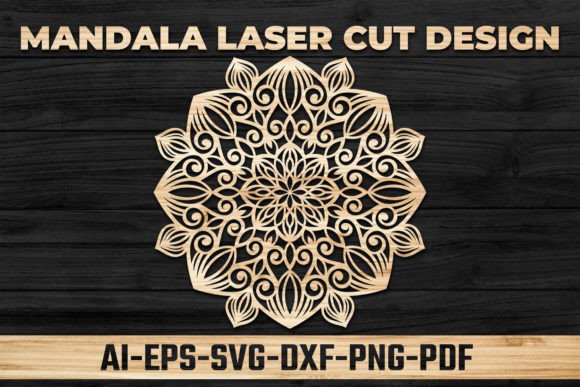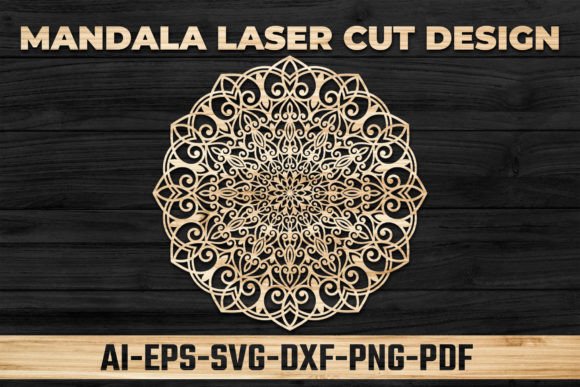
3D Mandala Laser Cutting SVG: A Modern Twist on an Ancient Art Form
Mandala art, with its intricate geometric patterns and spiritual symbolism, has been a cherished form of artistic expression for centuries. In recent years, the rise of digital crafting tools like Cricut and Silhouette has introduced new ways to bring mandalas into everyday life through laser cutting. Among these innovations, 3D Mandala Laser Cutting SVG stands out as a unique approach that adds depth and visual interest to traditional designs. This article explores what 3D Mandala Laser Cutting SVG is, how it compares with other methods, and when it might be the best choice for your creative projects.
What Is 3D Mandala Laser Cutting SVG?
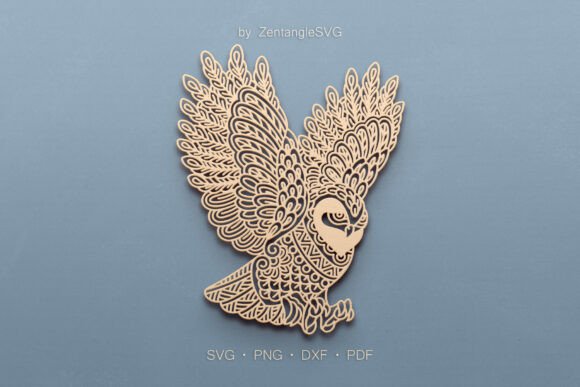
3D Mandala Laser Cutting SVG refers to the use of layered vector graphics—saved in Scalable Vector Graphics (SVG) format—to create mandalas with added dimensionality. These SVG files are specifically designed for laser cutters or compatible devices such as the Cricut or Scan N Cut machines. Unlike flat two-dimensional SVGs, 3D mandala SVGs often include multiple layers that can be stacked to form a shadow box or papercut project, giving the design a more dynamic, tactile appearance.
The key feature of these files is their layering capability. Each layer represents a different part of the mandala, allowing crafters to build up complexity and depth. The result is a visually stunning piece that retains the meditative and symbolic essence of traditional mandalas while embracing modern technology for precision and detail.
How Does It Differ from Traditional Mandala Laser Cutting?
Traditional mandala laser cutting typically involves using a single-layer SVG or DXF file to cut a flat design into materials like wood, acrylic, or cardstock. While this method produces beautiful results, it lacks the spatial dimension that 3D Mandala Laser Cutting SVG offers. Here's how they compare:
- Design Complexity: 3D mandalas allow for more complex compositions due to the inclusion of multiple layers.
- Visual Impact: The added depth makes 3D mandalas ideal for wall art, home decorations, or even jewelry boxes where a sense of movement or perspective enhances the aesthetics.
- Crafting Time: Creating a 3D mandala usually takes longer than a flat one because of the need to assemble layers, but many find the process rewarding and satisfying.
If you're looking to elevate your mandala creations beyond simple outlines and into something more sculptural, then 3D Mandala Laser Cutting SVG is the way to go.
Strengths of Using 3D Mandala Laser Cutting SVG
There are several advantages to working with 3D Mandala Laser Cutting SVG files:
- Layered Detail: These files enable artisans to add shadows, highlights, and dimensional elements, making the final product more lifelike and engaging.
- Compatibility: Most 3D mandala SVGs are created in vector-based software like Adobe Illustrator or Inkscape, ensuring they scale perfectly without losing quality. They are also widely supported by popular crafting platforms such as Cricut and Silhouette.
- Customization Potential: Because each layer is separate, users have the freedom to modify colors, spacing, and materials independently, allowing for greater personalization.
- Space-Efficient Display: When used in shadow box templates, 3D mandalas occupy less space than free-standing sculptures while still delivering a rich visual experience.
These strengths make 3D Mandala Laser Cutting SVG especially appealing for those who want to blend craftsmanship with contemporary design techniques.
Tradeoffs and Limitations to Consider
While 3D Mandala Laser Cutting SVG offers exciting possibilities, it’s not always the best fit for every project. Here are some tradeoffs and limitations to keep in mind:
- Learning Curve: Assembling multi-layered designs requires attention to detail and may involve additional steps compared to flat laser cutting.
- Material Requirements: To achieve true 3D effects, you'll need materials suitable for stacking and gluing—such as foam board, thin wood, or layered paper—which may cost more than standard cardstock.
- Tool Compatibility: Although many SVG files work well with Cricut and Silhouette, not all laser cutters support SVG natively. You may need to convert the file to a DXF format or ensure your machine supports layered SVG imports.
- Time Investment: The assembly process for a 3D mandala can be time-consuming, which might be a drawback if you're aiming for quick turnaround or mass production.
For beginners or those with limited time, simpler mandala SVGs or pre-cut kits might be more practical choices.
When to Choose 3D Mandala Laser Cutting SVG
3D Mandala Laser Cutting SVG is ideal for specific applications where depth and dimension enhance the overall effect. Here are some scenarios where it shines:
- Wall Decor and Shadow Boxes: If you’re creating decorative pieces for your home or gifting them, the layered look of a 3D mandala adds a dramatic flair that flat designs can’t match.
- Weddings or Events: For themed events like weddings or yoga retreats, 3D mandalas can serve as eye-catching centerpieces or signage with a calming aesthetic.
- Personalized Gifts: Custom gifts such as wooden frames, acrylic coasters, or layered greeting cards benefit from the enhanced visual appeal of 3D mandalas.
- Artistic Expression: Artists interested in pushing the boundaries of paper craft or exploring abstract representations of nature and spirituality will appreciate the creative freedom these SVGs provide.
Additionally, free 3D Mandala SVG files for Cricut and similar platforms offer accessibility for hobbyists who want to experiment before investing in premium resources.
Alternatives to 3D Mandala Laser Cutting SVG
If 3D Mandala Laser Cutting SVG doesn't suit your needs, consider these alternatives:
Flat Mandala SVG Files
Simple mandala SVGs are perfect for beginners or anyone looking to create a clean, elegant design quickly. These files are often available for free and can be used for items like mugs, t-shirts, or canvas prints. However, they lack the three-dimensional impact that layered versions offer.
Paper-Cutting Templates
Traditional paper-cutting templates, either hand-drawn or digitally printed, provide a tactile experience and don’t require specialized equipment. They are excellent for educational purposes or mindfulness activities. Yet, they demand significant manual effort and precision, unlike laser-cut options.
Vintage-Inspired CNC Mandalas
Some creators prefer using CNC machines with DXF files to carve mandalas into wood or metal. This method yields robust, durable results and works well for large-scale installations. However, it generally requires access to more advanced machinery and expertise.
Digital Mandala Art for Screens
If your goal is purely digital decoration, you can use SVG or PNG mandalas as wallpapers, social media banners, or website headers. These are easy to implement but don’t translate into physical crafts.
Each of these approaches has its own merits. Choosing between them depends on your goals, tools, and level of involvement in the crafting process.
Best Practices for Working with 3D Mandala SVG Files
To get the most out of your 3D Mandala Laser Cutting SVG projects, follow these best practices:
- Use High-Quality Materials: Choose materials that are easy to cut and stack, such as birch plywood, MDF, or colored cardstock for a vibrant finish.
- Plan Your Layers: Before starting the cutting process, visualize how each layer will contribute to the final composition. Adjust the spacing and alignment in your design software accordingly.
- Test Cuts First: Especially when using new materials or unfamiliar machines, do a test run to ensure accurate cuts and avoid material waste.
- Seal and Protect: Once assembled, apply a sealant or varnish to preserve the artwork and give it a polished look.
- Explore Free Resources: Many websites offer free 3D Mandala SVG files, including layered designs suitable for both Cricut and Silhouette machines. Always verify the file structure and compatibility before downloading.
By following these tips, you can ensure your 3D mandala projects turn out professional and visually striking.
Real-World Applications and Examples
Here are some common real-world uses of 3D Mandala Laser Cutting SVG:
- Home Décor: Layered mandalas placed in shadow boxes make excellent focal points in living rooms or bedrooms. Their symmetrical nature brings balance and calm to any space.
- Yoga Studios: Many wellness centers use 3D mandalas in their décor to promote meditation and relaxation. The visual complexity invites contemplation and complements natural elements like plants and stones.
- Woodworking Projects: Woodworkers combine multiple laser-cut layers of wood to build intricate, floating mandalas that resemble stained glass without the fragility.
- Seasonal Crafts: During holidays like Christmas or Easter, 3D mandalas can be adapted to include floral motifs or nature-inspired themes, enhancing their seasonal relevance.
These examples highlight the versatility of 3D Mandala Laser Cutting SVG across various mediums and settings.
Comparing File Formats: SVG vs. DXF for Laser Cutting
When choosing a file type for laser cutting, it’s important to understand the differences between SVG and DXF:
- SVG (Scalable Vector Graphics): Best suited for layered designs and text-based content. It’s commonly used with Cricut and Silhouette machines and allows for color coding and individual layer adjustments.
- DXF (Drawing Exchange Format): Preferred by industrial laser cutters for its precise geometry and compatibility with CAD software. It’s excellent for single-layer or highly technical cuts but lacks the flexibility of SVG when it comes to layer management.
For 3D Mandala Laser Cutting, SVG is generally the better option due to its support for multiple layers and ease of editing. However, if you're working with a machine that only accepts DXF, converting the SVG file is a viable solution.
Where to Find 3D Mandala Laser Cutting SVG Files
There are numerous sources for finding high-quality 3D Mandala Laser Cutting SVG files. Some sites specialize in mandala svg cut files and multi-layered mandala SVGs, while others offer broader collections of digital craft assets. Here are a few things to look for when sourcing these files:
- Layer Clarity: Ensure the SVG includes clearly labeled layers for easy assembly.
- File Compatibility: Check whether the file works with your specific machine—Cricut, Silhouette, or another laser cutter.
- Resolution and Detail: Look for files with fine lines and consistent spacing to avoid misalignment during cutting.
- License Terms: Understand whether the file is for personal use only or if commercial use is permitted.
Many platforms also offer 3D Mandala SVG files for free, though premium versions often come with higher resolution, exclusive designs, or customer support.
Choosing Between 3D and Flat Designs
Deciding whether to use 3D Mandala Laser Cutting SVG or a flat design ultimately depends on your project goals. Ask yourself the following questions:
- Do I want my mandala to stand out visually and feel more immersive?
- Am I willing to spend extra time assembling the layers?
- Is my machine capable of handling layered SVGs or shadow box templates?
- Will the finished product be displayed in a confined space, like a picture frame or small wall hanging?
If your answer leans toward “yes” for most of these, then 3D Mandala Laser Cutting SVG is likely the right path. Otherwise, a simple mandala SVG free download might be sufficient for your needs.
Conclusion
3D Mandala Laser Cutting SVG offers a compelling fusion of ancient symbolism and modern craftsmanship. Whether you're an experienced artisan or a DIY enthusiast, these layered designs open up new creative avenues. By understanding their strengths, limitations, and appropriate use cases, you can determine whether they align with your next project. With the availability of free and paid templates, experimenting with 3D mandalas has never been easier, making it a valuable addition to your digital craft toolkit.