Animals Geometric Laser Cutting: A Practical Guide to Precision and Creativity
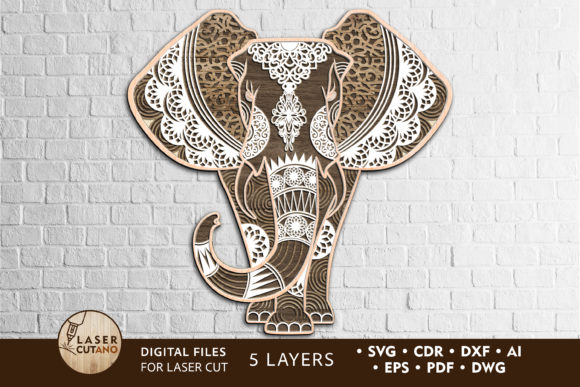
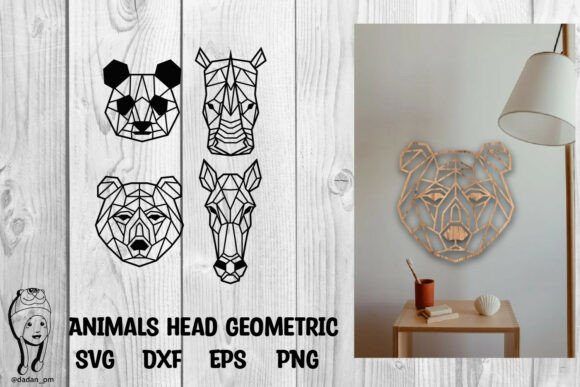
Animals geometric laser cutting is a specialized design technique that combines the natural forms of animals with clean, stylized geometric shapes. This approach is popular in artistic crafts, product design, architectural modeling, and educational tools. The process involves using vector-based file formats such as DXF, SVG, EPS, and PNG to create precise, scalable designs that can be cut using laser technology. These files are often delivered in an archived format, ensuring you receive high-resolution content ideal for professional and personal use.
Understanding the Role of Animals Geometric Laser Cutting
In the broader context of creative and manufacturing workflows, Animals Geometric Laser Cutting serves as a bridge between conceptual design and physical production. It allows artists, designers, and educators to translate abstract ideas into tangible, accurate outputs using advanced laser equipment. The geometric nature of these designs ensures consistency and clarity, making them particularly useful when working with materials like wood, acrylic, metal, or cardboard.
The primary advantage of this method lies in its scalability and adaptability. Because the designs are created in vector-based formats, they maintain quality at any size—crucial for projects ranging from small-scale prototypes to large installations. Whether you're building custom furniture, designing logos, creating signage, or producing classroom materials, geometric animal laser cuts can add both visual interest and structural precision.
When to Use Animals Geometric Laser Cutting in Your Workflow
Animals Geometric Laser Cutting can be applied at various stages of a project. Here’s how it fits into different phases:
- Pre-Project Planning: During the early design phase, you might use these files to visualize layout options or test material compatibility. For instance, if you’re planning a mural featuring stylized animals, you can print out or simulate the laser-cut pieces before finalizing your design.
- During Production: Once you’ve selected the design and material, laser cutting brings the concept to life with high accuracy. This stage requires careful alignment of the DXF or SVG files with the laser cutter software to ensure each piece is cut correctly and consistently.
- Post-Implementation Adjustments: After the initial cuts, you may need to refine or modify the design based on real-world results. If certain elements don’t fit well or look off once assembled, you can easily edit the source files and re-cut only the necessary parts, saving time and resources.
Integration with Other Tools and Resources
To make the most of Animals Geometric Laser Cutting, it's essential to integrate it with other tools and platforms in your workflow. Here are some common interactions:
- Design Software Compatibility: Files like SVG and EPS are typically used in Adobe Illustrator, while DXF is compatible with AutoCAD and other engineering software. Knowing which program best suits your needs will streamline the editing process before sending files to the laser cutter.
- Laser Cutter Settings: Each material has specific requirements for laser power, speed, and focus. Before starting a batch of cuts, conduct tests with sample pieces to calibrate your machine correctly. This step ensures that the geometric lines remain crisp and that the overall design integrity is preserved.
- Material Sourcing and Preparation: Selecting the right material is key. Thicker materials may require more powerful lasers or multiple passes. Prepare your workspace by securing the material and cleaning the surface to avoid misalignment or burn marks.
Workflow Example: Designing a Custom Stencil
Let’s walk through a practical example. Suppose you're an entrepreneur launching a new line of branded merchandise and want to include a unique animal stencil made from geometric shapes. Here's how you could integrate Animals Geometric Laser Cutting into your workflow:
- Download the appropriate DXF or SVG file from your design library or purchase a custom set from a digital marketplace.
- Open the file in your preferred design software (e.g., CorelDRAW or Inkscape) to adjust the scale, color, or layout according to your brand guidelines.
- Export the final design in a format compatible with your laser cutter, ensuring all layers and paths are properly defined.
- Set up your laser cutter with the correct settings for the material you’ll be using (like 3mm acrylic or 1/8" wood).
- Perform a test cut on scrap material to verify alignment and depth.
- Cut the final pieces and assemble or apply them as needed for your product line.
This structured approach ensures that each step builds logically on the previous one, reducing errors and maximizing efficiency.
Practical Tips for Implementation
Here are several actionable tips to help you implement Animals Geometric Laser Cutting effectively:
- Use High-Quality Files: Always work with the highest resolution versions available. The preview images provided online are usually low-res, but the actual DXF, SVG, or EPS files you receive will be much clearer, allowing for better precision during cutting.
- Organize File Layers: Many laser-cutting projects involve multiple layers (for engraving, cutting, or assembly). Keep these organized within your design software to avoid confusion later.
- Test on Scrap Material: Before committing to your main project material, do a trial run on scrap. This helps you catch any issues with the design or machine settings without wasting valuable resources.
- Optimize Nesting: When cutting multiple pieces, arrange them efficiently on the material sheet to reduce waste and save time. Most laser cutter software includes nesting tools, but manual optimization can yield even better results.
- Plan for Assembly: If your design includes interlocking parts or requires painting or finishing after cutting, factor those steps into your timeline. Proper planning prevents bottlenecks and keeps your workflow moving smoothly.
Common Applications and Use Cases
Animals Geometric Laser Cutting finds its way into many industries and hobbies. Some typical applications include:
- Furniture Design: Incorporating geometric animal motifs into tables, shelves, or cabinet doors adds a modern yet whimsical touch.
- Signage and Branding: Businesses often use laser-cut geometric animals as part of their logo or store displays, especially in niche markets like pet stores or eco-friendly brands.
- Educational Projects: Teachers and students can use these designs in STEM activities to explore geometry, biology, or art history.
- Home Decor and Crafts: From wall art to lampshades, laser-cut geometric animals offer a versatile option for DIY enthusiasts looking to personalize their spaces.
Example: Classroom Project Using Laser-Cut Animal Shapes
An educator preparing a lesson on symmetry and patterns might use Animals Geometric Laser Cutting to create reusable teaching aids. By downloading SVG files of symmetrical animal designs, they can have students analyze the structure, then experiment with assembling the pieces into larger compositions. The high-quality nature of the files ensures durability, so the same stencils can be reused across multiple classes or years.
Quality Control and Long-Term Use
Maintaining quality over time is crucial when working with laser-cut designs. Here are a few strategies to consider:
- Consistent File Management: Store your DXF, SVG, and EPS files in clearly labeled folders. This makes it easier to locate and reuse designs for future projects.
- Version Tracking: If you frequently update or modify your designs, keep track of changes. Version control helps you maintain continuity and avoid confusion when referencing past work.
- Machine Maintenance: Regularly clean and calibrate your laser cutter to ensure consistent output. Misaligned nozzles or dirty lenses can affect the sharpness of your geometric lines.
- Material Storage: Store unused laser-cut pieces in a dry, dust-free environment to preserve their condition, especially if you're working with delicate materials like thin acrylic or paper.
Enhancing Efficiency Through Strategic Planning
One of the biggest challenges when using Animals Geometric Laser Cutting is balancing creativity with technical execution. To enhance efficiency:
- Define your end goal clearly before selecting a design. Ask yourself: What is the purpose of the animal shape? Is it decorative, functional, or symbolic?
- Choose a design complexity that matches your skill level and equipment capabilities. Starting with simpler shapes can help build confidence before tackling intricate patterns.
- Batch similar projects together. If you're preparing multiple items that require laser cutting, consolidate them to minimize setup and calibration time.
- Document your settings and processes. Keeping notes on what worked for a particular material or design helps streamline future projects and reduces trial-and-error.
Observation: The Importance of Preview vs. Actual Files
A critical point to remember is that preview images shown on websites or marketplaces are often compressed or simplified for faster loading. However, the actual DXF, SVG, EPS, or PNG files you receive are of significantly higher quality. This difference becomes apparent when scaling or printing the design. Always review the full-resolution file before proceeding with the cut to ensure it meets your expectations and specifications.
Conclusion
Animals Geometric Laser Cutting is more than just a design aesthetic—it's a tool that supports precision, efficiency, and creativity across a wide range of applications. Whether you're a hobbyist experimenting with new craft techniques or a professional optimizing your product development pipeline, integrating these designs can elevate your work. With proper preparation, attention to detail, and smart workflow planning, you can seamlessly incorporate Animals Geometric Laser Cutting into your routine and enjoy the benefits of high-quality, scalable artwork every time.